

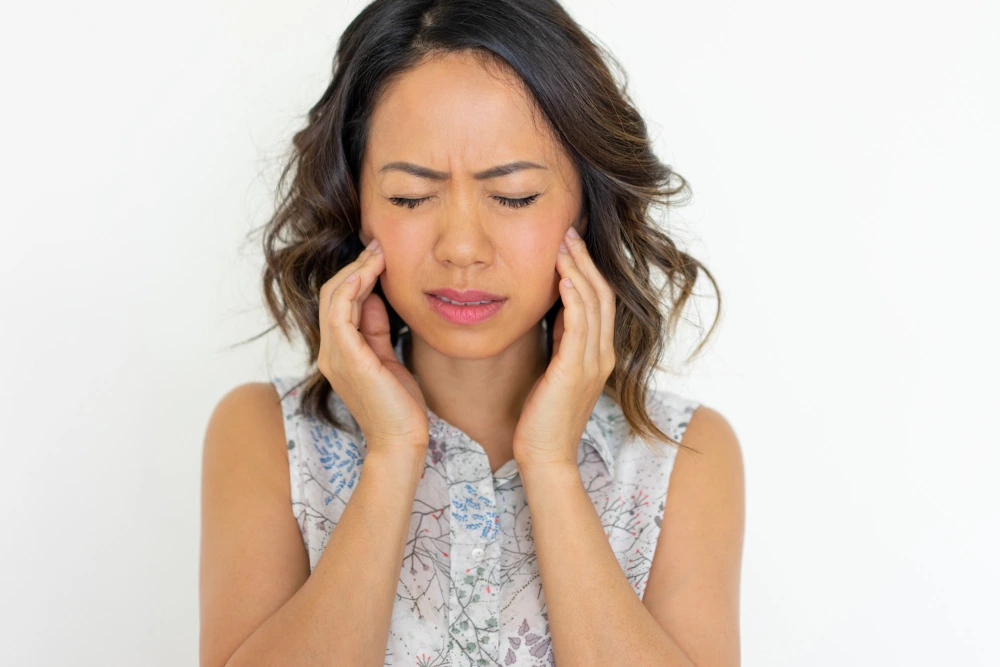
Atypical Facial Pain

Atypical Facial Pain: Causes, Symptoms, and When to Seek Medical Help

Introduction to Atypical Facial Pain

Atypical Facial Pain (AFP) is a chronic pain condition characterized by persistent, poorly localized pain in the face that does not follow the typical pattern of well-defined nerve pain. Unlike classic nerve disorders such as trigeminal neuralgia, AFP is often difficult to diagnose due to its vague symptoms and lack of clear clinical findings.

This condition can have a significant impact on quality of life, affecting eating, speaking, and general daily activities. Understanding the causes, symptoms, and treatment options of atypical facial pain is crucial for patients seeking relief and proper medical care.

What Is Atypical Facial Pain?

Atypical Facial Pain refers to ongoing facial discomfort that:

  • Is not associated with a specific dental, neurological, or structural cause
  • Persists for a long duration (often months to years)
  • Is not easily localized or described
  • May vary in intensity and quality

AFP may be described as aching, throbbing, burning, or dull pain. It can be continuous or intermittent and often lacks clear triggers.

Why Understanding Atypical Facial Pain Matters

Facial pain can be distressing and may mimic other serious conditions. Unfortunately, many patients with AFP undergo unnecessary dental procedures or treatments before getting an accurate diagnosis. Early recognition and proper management help prevent unnecessary interventions and improve quality of life.

Common Causes of Atypical Facial Pain

Although atypical facial pain has no single definitive cause, several factors are associated with its development:

1. Neuropathic Factors

  • Damage or irritation of small sensory nerve fibers
  • Misfiring of pain signals without apparent structural cause

2. Dental or Musculoskeletal Issues

  • Temporomandibular joint (TMJ) dysfunction
  • Bruxism (teeth grinding)
  • Occlusal problems

3. Psychological and Emotional Factors

  • Chronic stress
  • Anxiety and depression
  • Somatic symptom amplification

4. Post-Traumatic or Post-Surgical Changes

  • Injury to the facial region
  • Nerve irritation after dental or surgical procedures

5. Idiopathic Origins

In many cases, atypical facial pain remains idiopathic, meaning the precise cause cannot be determined despite thorough evaluation.

Symptoms of Atypical Facial Pain

The symptoms of atypical facial pain can vary widely among individuals. While some experience mild discomfort, others may have debilitating pain.

Common Symptom Patterns

SymptomDescription
Persistent aching or throbbingContinuous low-grade pain
Burning sensationCommonly reported without clear origin
Dull pressureOften diffuse and poorly localized
Variable intensityPain may fluctuate throughout the day
Non-dermatomal distributionDoes not follow a specific nerve pattern
Emotional distressAnxiety and depression may co-occur

How Patients Describe the Pain

Patients may use terms such as:

  • Soreness
  • Pressure
  • Burning
  • Dull ache
  • Discomfort without sharp stabbing

How Atypical Facial Pain Is Different from Other Facial Pain Conditions

Understanding how atypical facial pain differs from other conditions helps with accurate diagnosis.

Comparison Table – Atypical Facial Pain vs Other Facial Pain Disorders

FeatureAtypical Facial PainTrigeminal NeuralgiaTMJ DisorderSinusitis Pain
Pain PatternDiffuse, dullSharp, electric shock-likeJaw pain, clickingFacial pressure, worsens with bending
Trigger PointsUsually noneYes (light touch)Yes (jaw movement)Yes (sinus pressure)
DurationChronicEpisodicVariableAssociated with infection
Nerve InvolvementIndirectDirect trigeminal nerveMusculoskeletalSinus cavities

Why Atypical Facial Pain Is Misdiagnosed

AFP is frequently misdiagnosed due to:

  • Overlapping symptoms with dental, sinus, or musculoskeletal pain
  • Lack of distinct clinical signs
  • Multiple pain descriptors without a clear pattern
  • Emotional or psychological overlay

Patients often undergo multiple treatments, including unnecessary root canals or extraction, without pain relief.

Diagnosing Atypical Facial Pain

Diagnosis of atypical facial pain requires a thorough and multidisciplinary approach:

Clinical Evaluation

  • Detailed medical and dental history
  • Pain characterization (onset, duration, triggers)
  • Examination of teeth, jaws, nerves, and muscles

Imaging and Tests

  • X-rays (to rule out dental causes)
  • MRI or CT scan (to evaluate structural causes)
  • Neurological tests (if nerve involvement suspected)

Diagnostic Criteria

Atypical facial pain may be diagnosed when:

  • No clear dental, neurological, or sinus cause is identified
  • Pain does not follow a nerve distribution pattern
  • Symptoms persist despite appropriate treatment of identifiable causes

When to Seek Medical Help for Atypical Facial Pain

Patients should consult a healthcare provider if:

  • Facial pain persists beyond two weeks
  • Pain interferes with daily activities
  • Pain is worsening or unpredictable
  • Pain does not respond to initial treatment
  • There are associated signs such as numbness, weakness, or vision changes

Urgent evaluation is recommended if facial pain is accompanied by:

  • Fever or signs of infection
  • Severe dental swelling
  • Neurological deficits

Treatment Approaches for Atypical Facial Pain

Because atypical facial pain has no single cause, treatment is often multimodal, tailored to each individual.

1. Medications

Medication TypePurpose
AntidepressantsNeuropathic pain modulation
AnticonvulsantsStabilize nerve firing
Muscle relaxantsFor associated muscle tension
AnalgesicsShort-term pain relief

Note: Long-term opioids are generally not recommended due to addiction risk and limited effectiveness.

2. Physical Therapy

Physical therapy may include:

  • Jaw exercises
  • TMJ mobilization
  • Postural correction
  • Relaxation techniques

3. Behavioral & Psychological Support

Psychological therapies can be beneficial:

  • Cognitive Behavioral Therapy (CBT)
  • Stress management
  • Biofeedback

These address the pain–emotion connection and improve coping skills.

4. Interventional Treatments

Some patients may benefit from:

  • Nerve blocks
  • Trigger point injections
  • Botox injections (in selected cases)

These are offered when conservative treatments fail.

5. Multidisciplinary Pain Management Programs

These programs integrate:

  • Medical management
  • Physical therapy
  • Psychological support
  • Patient education

Such approaches often yield the best outcomes for chronic pain conditions like AFP.

Self-Care Strategies at Home

While professional care is vital, self-care can help manage symptoms:

  • Apply warm compresses to the affected area
  • Practice relaxation and breathing exercises
  • Avoid jaw overuse (e.g., gum chewing)
  • Maintain good sleep hygiene
  • Use gentle stretches for neck and jaw muscles

Living with Atypical Facial Pain – Patient Tips

Chronic pain can affect emotional wellbeing. Here are practical tips:

Pain Tracking

Keep a pain diary to record:

  • Pain intensity
  • Timing and triggers
  • Activities that worsen or relieve pain

This information helps your doctor tailor treatment.

Healthy Lifestyle

  • Regular exercise
  • Balanced diet
  • Adequate hydration
  • Stress reduction

Support Networks

Consider joining support groups for patients with chronic pain conditions.

Frequently Asked Questions (FAQs)

1. Is atypical facial pain the same as trigeminal neuralgia?

No. While trigeminal neuralgia causes sharp, electric shock-like pain along specific nerve branches, atypical facial pain is dull and poorly localized.

2. Can dental problems cause atypical facial pain?

Yes, dental issues like TMJ disorders and bruxism may contribute to facial pain, but AFP persists even after dental causes are ruled out or treated.

3. How long does atypical facial pain last?

AFP is often chronic and can persist for months to years, but proper diagnosis and tailored treatment can significantly improve symptoms.

4. Will surgery cure atypical facial pain?

Surgery is not typically recommended for AFP, except to address identifiable underlying causes. Most treatments are conservative and multimodal.

5. Can stress worsen facial pain?

Yes. Emotional stress and anxiety can amplify pain perception and trigger episodes.

Conclusion

Atypical facial pain is a chronic and often misunderstood condition that can significantly impact daily life. Early recognition, a careful diagnostic process, and individualized treatment are essential for effective management.

If you’re experiencing persistent facial pain without a clear cause, it’s important to consult a qualified healthcare professional like Dr. Shravan Tirunagari. With a thorough evaluation and tailored treatment plan, many patients find meaningful relief and improved quality of life.
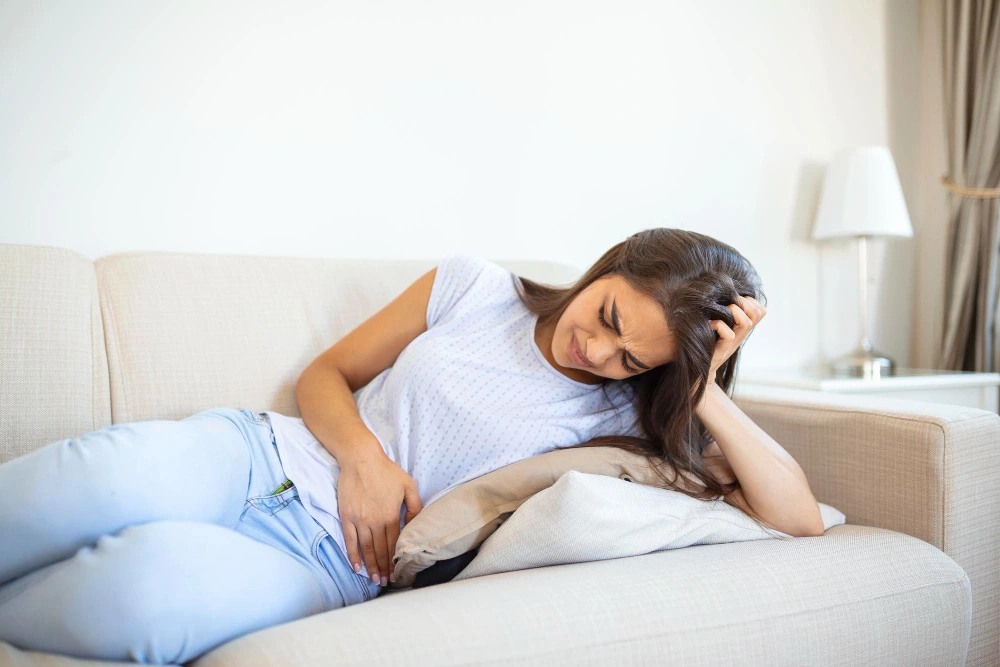

Why Your Pelvic Pain Keeps Returning

Why Your Pelvic Pain Keeps Returning: Triggers, Lifestyle Factors, and Prevention

Introduction

Pelvic pain is one of the most common yet misunderstood health complaints affecting both men and women. Many patients feel frustrated when pelvic pain improves temporarily but then returns without warning. If you have been asking yourself “Why does my pelvic pain keep returning?”, you are not alone.

Recurrent pelvic pain is rarely caused by a single factor. Instead, it is often the result of a complex interaction between muscles, nerves, organs, lifestyle habits, and emotional stress. Understanding these triggers is the first step toward long-term relief.

This comprehensive guide explains why your pelvic pain keeps returning, common causes, lifestyle contributors, diagnostic challenges, and evidence-based prevention strategies designed to help patients make informed decisions about their health.

What Is Pelvic Pain?

Pelvic pain refers to discomfort felt in the lower abdomen, pelvis, or perineal area. It may be:

  • Acute (sudden and short-term)
  • Chronic (lasting longer than 3–6 months)
  • Recurrent (comes and goes over time)

Recurrent pelvic pain is particularly challenging because symptoms may fluctuate, disappear temporarily, or worsen under certain conditions.

Why Your Pelvic Pain Keeps Returning

Understanding why pelvic pain keeps returning requires looking beyond temporary symptom relief. Many underlying causes remain untreated or are aggravated by daily habits and stressors.

Key Reasons Pelvic Pain Recurs

  • Incomplete diagnosis
  • Muscle tension or pelvic floor dysfunction
  • Nerve sensitization
  • Hormonal fluctuations
  • Lifestyle-related triggers
  • Chronic inflammation
  • Psychological stress

Pelvic pain often behaves like a “warning signal” rather than a standalone disease.

Common Medical Causes of Recurrent Pelvic Pain

1. Pelvic Floor Muscle Dysfunction

One of the most overlooked reasons pelvic pain keeps returning is pelvic floor muscle tension or weakness.

  • Muscles may remain chronically tight
  • Pain worsens with sitting, stress, or bowel movements
  • Can affect bladder, bowel, and sexual function

Key symptoms include:

  • Pain during sitting
  • Difficulty starting urination
  • Pain during or after intercourse
  • Lower back or tailbone pain

2. Nerve-Related Pelvic Pain

Nerve irritation or hypersensitivity can cause pain to persist even after the original injury or inflammation has healed.

Common nerves involved include:

  • Pudendal nerve
  • Ilioinguinal nerve
  • Genitofemoral nerve

Neuropathic pelvic pain may feel like:

  • Burning
  • Tingling
  • Electric shock–like sensations
  • Deep aching pain

3. Gynecological Causes (in Women)

In women, pelvic pain may return due to underlying gynecological conditions:

  • Endometriosis
  • Adenomyosis
  • Pelvic inflammatory disease (PID)
  • Ovarian cysts
  • Fibroids

Hormonal changes can cause pain to flare cyclically, especially around menstruation.

4. Urological Causes

Pelvic pain linked to the urinary system often recurs due to chronic inflammation or muscle involvement.

Common causes include:

  • Interstitial cystitis
  • Painful bladder syndrome
  • Recurrent urinary tract infections
  • Prostatitis (in men)

5. Gastrointestinal Causes

The digestive system plays a major role in pelvic pain recurrence.

Examples include:

  • Irritable bowel syndrome (IBS)
  • Chronic constipation
  • Inflammatory bowel disease
  • Pelvic adhesions

Straining during bowel movements can worsen pelvic floor tension and pain.

Lifestyle Factors That Trigger Pelvic Pain Recurrence

Many patients are surprised to learn that daily habits significantly influence why pelvic pain keeps returning.

1. Prolonged Sitting

  • Increases pressure on pelvic nerves and muscles
  • Common in office workers and drivers
  • Can worsen nerve-related pain

2. Poor Posture

Postural imbalances can:

  • Increase pelvic muscle strain
  • Affect hip and spine alignment
  • Trigger nerve irritation

3. Chronic Stress and Anxiety

Stress plays a major role in pelvic pain recurrence by:

  • Increasing muscle tension
  • Heightening pain perception
  • Disrupting hormonal balance

The pelvic floor is highly sensitive to emotional stress.

4. Lack of Physical Activity

Sedentary lifestyles lead to:

  • Muscle stiffness
  • Reduced circulation
  • Poor pelvic support

5. High-Impact Exercise or Overtraining

Activities like:

  • Heavy weightlifting
  • High-impact aerobics
  • Improper core workouts

may aggravate pelvic pain if done without proper technique.

Triggers That Make Pelvic Pain Worse

Understanding triggers helps patients anticipate and prevent flare-ups.

Common Pelvic Pain Triggers

TriggerHow It Affects Pelvic Pain
StressIncreases muscle tension and nerve sensitivity
Menstrual cycleHormonal changes worsen inflammation
Sitting too longCompresses nerves and muscles
ConstipationIncreases pelvic strain
Poor sleepReduces pain tolerance
DehydrationWorsens bladder irritation

Why Pelvic Pain Often Becomes Chronic

Pelvic pain may become chronic due to central sensitization, where the nervous system becomes overly responsive to pain signals.

Contributing Factors

  • Delayed diagnosis
  • Repeated inflammation
  • Emotional trauma
  • Fear of movement
  • Avoidance behaviors

Over time, pain pathways become reinforced, making symptoms persist even after the original cause improves.

How Recurrent Pelvic Pain Is Diagnosed

Diagnosing why pelvic pain keeps returning requires a comprehensive and patient-centered approach.

Detailed Medical History

  • Onset and duration of pain
  • Triggers and relieving factors
  • Menstrual, urinary, and bowel patterns
  • Past surgeries or trauma

Physical Examination

  • Abdominal and pelvic exam
  • Pelvic floor muscle assessment
  • Neurological screening

Investigations (When Needed)

  • Ultrasound
  • MRI
  • Blood and urine tests
  • Diagnostic nerve blocks (selected cases)

Treatment Approaches for Recurrent Pelvic Pain

Effective treatment focuses on long-term management, not just temporary relief.

1. Pelvic Floor Physical Therapy

A cornerstone of treatment for recurrent pelvic pain:

  • Muscle relaxation techniques
  • Trigger point release
  • Breathing and posture correction

2. Medications

Depending on the cause, medications may include:

  • Neuropathic pain modulators
  • Anti-inflammatory agents
  • Muscle relaxants
  • Hormonal therapy (for gynecological causes)

3. Psychological Support

Chronic pelvic pain often benefits from:

  • Cognitive Behavioral Therapy (CBT)
  • Stress management techniques
  • Mindfulness-based pain therapy

4. Interventional Pain Treatments

In selected cases:

  • Nerve blocks
  • Trigger point injections
  • Neuromodulation techniques

Prevention Strategies: How to Stop Pelvic Pain from Returning

Preventing recurrence is possible with a proactive approach.

Daily Prevention Tips

  • Take regular breaks from sitting
  • Practice good posture
  • Manage stress effectively
  • Maintain regular bowel habits
  • Stay physically active with low-impact exercises

Pelvic Health–Friendly Exercises

  • Walking
  • Swimming
  • Gentle yoga
  • Pelvic floor relaxation exercises

Dietary Modifications

  • Increase fiber intake
  • Stay well hydrated
  • Limit bladder irritants (caffeine, alcohol)
  • Identify food triggers

When to Seek Medical Help

You should consult a specialist if:

  • Pelvic pain lasts more than 3 months
  • Pain interferes with daily life
  • Symptoms worsen or spread
  • There is pain with urination, bowel movements, or intercourse
  • Over-the-counter treatments are ineffective

Early intervention improves outcomes and prevents chronic pain patterns.

Frequently Asked Questions (FAQs)

1. Is recurrent pelvic pain dangerous?

Not always, but it should never be ignored, as it may indicate an underlying condition.

2. Can pelvic pain return even after treatment?

Yes, if contributing lifestyle factors or muscle dysfunction remain unaddressed.

3. Is pelvic pain related to stress?

Absolutely. Stress significantly affects pelvic muscles and pain perception.

4. Can men experience recurrent pelvic pain?

Yes. Conditions like prostatitis and pelvic floor dysfunction affect men as well.

5. Is surgery always needed?

No. Most cases improve with conservative, multidisciplinary care.

Conclusion

If you have been wondering why your pelvic pain keeps returning, the answer often lies in a combination of physical, neurological, emotional, and lifestyle factors. Pelvic pain is complex, but with the right diagnosis and a comprehensive treatment approach, long-term relief is achievable.

A personalized evaluation by an experienced specialist like Dr. Shravan Tirunagari can help identify the root causes of your pain and guide you toward effective prevention strategies so pelvic pain no longer controls your life.

Early care, informed choices, and consistent management are the keys to breaking the cycle of recurrent pelvic pain.

Whatsapp Now